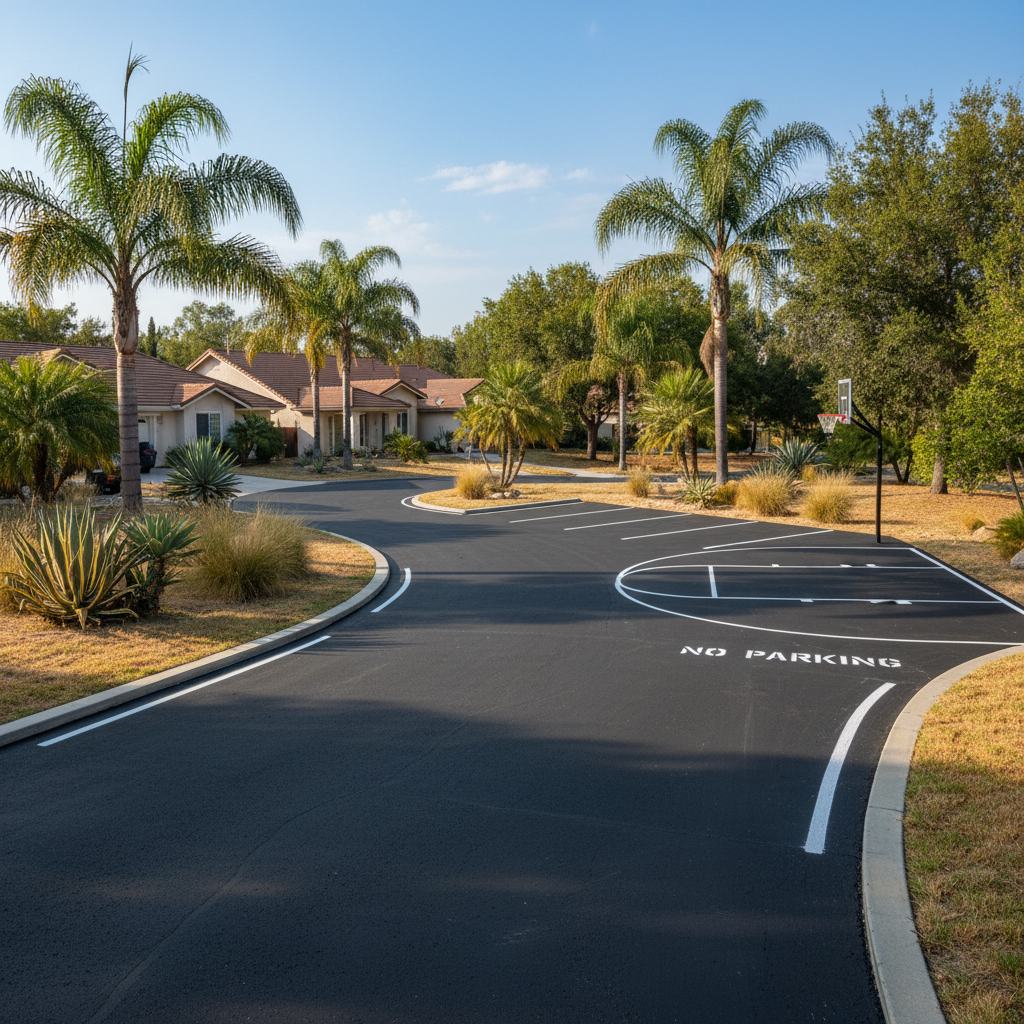
Ever driven past a freshly striped parking lot and thought, 'Man, those lines look sharp!'? Then you see another one a few months later, and it's already fading or peeling. A lot of that comes down to timing and understanding our specific Anaheim weather. It's not just about slapping paint down; it's about making it stick, really.
When's the Best Time to Stripe in Anaheim?
Honestly, the best time to get your asphalt striping done around here is usually in the spring or fall. Why? It's all about temperature and humidity. Striping materials, whether it's paint or thermoplastic, need certain conditions to cure properly. If it's too hot, the material can dry too fast on the surface, trapping solvents underneath. That leads to bubbling or premature peeling. Too cold, and it won't cure at all, or it'll take forever, leaving your lines vulnerable to traffic and moisture.
Spring, from about March to May, is often ideal. You get those consistently mild days, usually in the 60s and 70s, with lower humidity after our winter rains. The ground temperature is also important, and it's usually warmed up enough by then. Fall, say September through November, is another sweet spot. The scorching summer heat has usually backed off, and we're not yet into the consistent dampness of winter.
I've seen folks try to stripe in the dead of summer, especially in August when it's routinely hitting the 90s or even 100s, like we often get inland from the coast. It's a recipe for disaster. The asphalt itself can be 140 degrees or more. The material just doesn't bond right. And trying to stripe in the middle of a January cold snap, when we might get a few days in the 40s? Forget about it. It just won't adhere properly, and you'll be calling us back for a redo way too soon.
Weather Conditions That Mess With Striping
Beyond just temperature, a few other weather factors can really throw a wrench into striping plans:
- Rain: This one's a no-brainer. You can't stripe on wet asphalt. The surface needs to be completely dry for the material to bond. Even if it looks dry, if it rained recently, moisture can still be trapped in the asphalt's pores. We'll always check the forecast and the surface moisture before starting.
- Heavy Dew: Sometimes, especially in the spring or fall mornings, we get really heavy dew. That's just as bad as light rain. We'll usually wait for it to burn off or use blowers to ensure the surface is bone dry.
- High Humidity: Even without rain, high humidity can slow down the curing process significantly. It's not as critical as direct moisture, but it can extend the time before you can safely drive on the new lines.
- Strong Winds: While not a deal-breaker, strong winds can make applying crisp lines tougher, especially with spray-on paints. It can cause overspray and uneven application.
We're always monitoring the local Anaheim weather. If the conditions aren't right, we'll reschedule. It's better to wait a day or two than to do a job that won't last. That's just how we operate at Valley Asphalt Company.
Protecting Your Striping Investment Year-Round
Once those lines are down and cured, you want them to last, right? Here's how you can help protect your investment:
- Keep it Clean: Regular sweeping or blowing off debris, dirt, and leaves helps a lot. Grime can act like sandpaper under vehicle tires, slowly wearing down your lines.
- Watch for Oil & Chemical Spills: Oil, gas, and other automotive fluids are asphalt's worst enemy, and they're no friend to striping either. They can break down the binder in the paint or thermoplastic, causing it to fade or peel. Clean up spills promptly.
- Sealcoating: This is probably the biggest thing you can do to protect your asphalt and, by extension, your striping. A good sealcoat every few years protects the asphalt from UV rays, water penetration, and oxidation. When we apply new stripes, we often recommend sealcoating first, then striping on top of the fresh sealcoat for maximum adhesion and longevity.
- Address Asphalt Damage: Cracks and potholes aren't just trip hazards; they can undermine your striping. If the asphalt underneath is failing, your lines will eventually fail too. Get those repairs done as soon as you notice them.
- Avoid Harsh Cleaning Chemicals: If you're pressure washing or cleaning your asphalt, make sure you're not using harsh detergents or chemicals that could strip the paint or damage the asphalt itself.
Taking a little care goes a long way. You've invested in making your property look good and function safely, so let's keep it that way. If you've got questions about your specific driveway or parking lot, don't hesitate to give us a call. We're always happy to share what we know.